New Tyre vs Part Worn Tyre Explained
You’re staring at a tyre with a thinning tread and a choice that every driver faces: do you shell out for a brand-new set or save a few pounds with part-worn rubber? On the surface, the “used” option looks like a bargain, but the true cost of a tyre isn’t just the price tag at the till—it’s the safety, longevity, and performance on the road.
In this guide, we’ve broken down the new tyre vs part worn tyre debate to help you make an informed decision for your vehicle and your wallet.
The True Value of a New Tyre
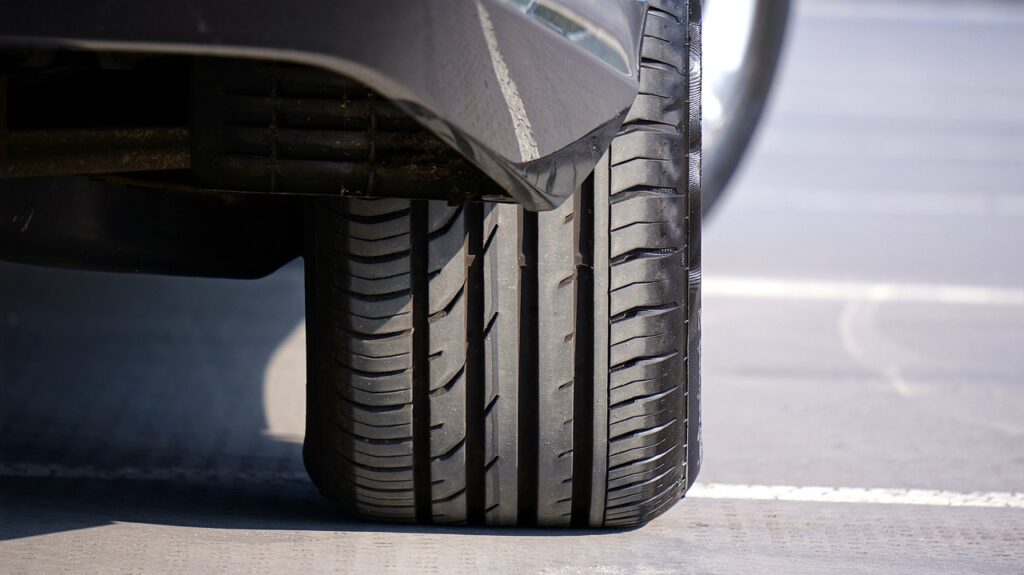
When you buy a new tyre, you are purchasing 100% of its usable life. Most new tyres come with approximately 8mm of tread depth. This provides maximum water displacement, shorter braking distances, and the peace of mind that comes with a manufacturer’s warranty.
For Portsmouth drivers dealing with coastal rain and slick roads, that extra tread isn’t just a luxury—it’s a critical safety feature.
The Hidden Risks of Part Worn Tyres
A part worn tyre is exactly what it sounds like: a tyre that has already lived part of its life on another vehicle. While legal to sell in the UK under strict conditions, the reality is often different.
- Internal Damage: You can’t see structural weaknesses, such as damaged cords or sidewall fatigue, just by looking at the surface.
- Lower Tread: Most part worn tyres are sold with only 3mm or 4mm of tread remaining. Since the legal limit is 1.6mm, you are buying a product that is already nearing the end of its life.
- Poor History: Many part worn tyres in the UK are imported from Europe, where the legal limit for winter tyres is higher, meaning they are being discarded for a reason.
New Tyre vs Part Worn Tyre: The Cost-Per-Mile Calculation
Many motorists choose part worn tyres to save money, but the cost-per-mile often tells a different story.
| Feature |
New Tyre |
Part Worn Tyre |
| Starting Tread |
~8mm |
~3mm – 4mm |
| Usable Tread |
6.4mm |
1.4mm – 2.4mm |
| Lifespan |
Long (Years) |
Short (Months) |
| Safety |
Maximum |
Diminished |
Because you have to replace part worn tyres two or three times as often as new ones, you end up paying for fitting and balancing fees multiple times, often spending more in the long run.
Performance and Braking Distances
The difference in stopping power is staggering. Tests have shown that at 50mph in wet conditions, a tyre with 1.6mm of tread can take an extra 11.9 metres to stop compared to a new tyre. That is the difference between a close call and a serious accident.
Ready for a fresh set? Browse our Full Range of Premium and Budget Tyres to find the perfect fit for your car.
FAQ: New Tyre vs Part Worn Tyre
How much tread is on a new tyre?
Most standard passenger car tyres come with 8mm of tread, offering the highest level of grip and water evacuation.
Why are new tyres considered safer?
New tyres haven’t been subjected to previous kerb impacts or internal damage. They provide consistent rubber compounds and full tread depth for emergency braking.
Which is better for my MOT?
A new tyre is the safest bet. A part worn tyre might pass today but fall below the 1.6mm legal limit shortly after, leading to potential fines and points.