A car battery is the unsung hero of your vehicle. It powers everything from the ignition to your headlights and even the infotainment system. Without it, your car simply won’t start. Yet, many drivers overlook the importance of timely battery replacement for cars, often realising it only when they’re stranded with a dead engine.
This guide walks you through everything you need to know—from recognising early warning signs to choosing the right replacement battery, understanding costs, following the replacement process, and maintaining your battery for maximum lifespan.
Signs Your Car Battery Needs Replacement
Slow Engine Crank
If your engine takes longer than usual to start, it may indicate your battery is weakening. The starter motor depends heavily on battery power, so sluggish cranking is often an early warning sign of failure.
Dimming Headlights and Electrical Issues
A failing battery struggles to power electrical components. If your headlights appear dimmer than usual or flicker when idling, or if your infotainment system behaves unpredictably, your battery may be nearing the end of its life.
Dashboard Warning Light
Most modern cars include a battery warning light on the dashboard. If this illuminates while driving, it may indicate low voltage or a charging system issue. Ignoring it can lead to sudden breakdown.
Frequent Jump-Starts
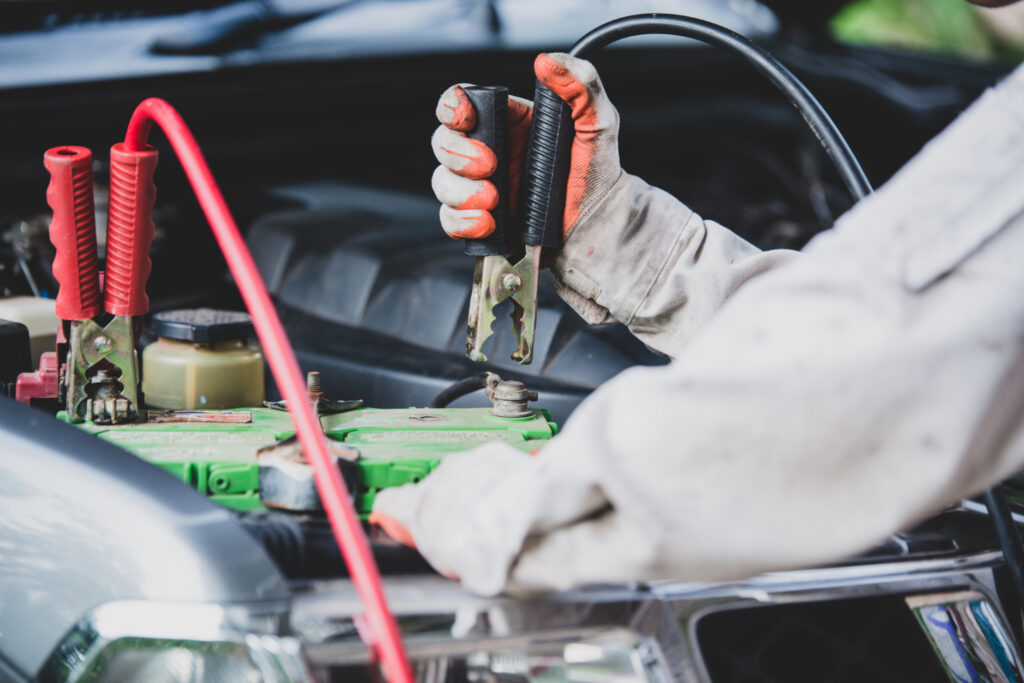
Needing jump-starts regularly is a strong sign your battery can no longer hold charge effectively. At this stage, replacement is usually more cost-effective than repeated emergency fixes.
Electrical Malfunctions
Slow power windows, delayed central locking, or inconsistent air conditioning performance can also point to a weakening battery or unstable electrical supply.
Types of Car Batteries
Lead-Acid Batteries
These are the most common and affordable option. They are reliable and widely used in standard vehicles but may require occasional maintenance depending on design.
AGM (Absorbent Glass Mat) Batteries
AGM batteries are sealed, more durable, and better suited for modern vehicles with higher electrical demands. They perform well in stop-start systems and are commonly found in premium cars.
Lithium-Ion Batteries
Lightweight and long-lasting, lithium-ion batteries are mainly used in hybrid and electric vehicles. They offer high efficiency but come at a significantly higher cost compared to traditional batteries.
Average Lifespan of a Car Battery
Most car batteries last between 3 to 5 years. However, this varies depending on several factors:
- Driving habits (frequent short journeys reduce lifespan)
- Climate conditions (extreme heat or cold accelerate wear)
- Electrical load from accessories and onboard systems
- Maintenance quality and charging system health
Hot weather tends to dry out internal components, while cold weather reduces starting power, both affecting overall lifespan.
How to Choose the Right Battery for Your Car
Check Manufacturer Recommendations
Always refer to your vehicle handbook for the correct specifications. Using the wrong battery can lead to performance issues or compatibility problems.
Cold Cranking Amps (CCA)
CCA=Cold Cranking Amps (starting power at low temperature)\text{CCA} = \text{Cold Cranking Amps (starting power at low temperature)}CCA=Cold Cranking Amps (starting power at low temperature)
CCA determines how well the battery starts your engine in cold conditions. Higher CCA is essential in colder climates like the UK winter months.
Reserve Capacity (RC)
Reserve capacity refers to how long a battery can power essential systems if the alternator fails. A higher RC offers greater reliability during emergencies.
Battery Size and Fit
Each vehicle requires a specific battery group size. Even if a battery has the right power rating, incorrect physical dimensions can cause fitting issues or unsafe installation.
Cost of Battery Replacement for Cars
Cost by Car Make and Model
Standard petrol and diesel vehicles generally have lower replacement costs. Luxury, hybrid, and start-stop system vehicles require more advanced batteries, which increases the price significantly.
Labour Charges at Garages
If you choose professional installation, labour typically includes removal, fitting, and system checks. Some modern cars may also require battery coding or ECU reset, which can add to the cost.
Additional Costs to Consider
- Diagnostic testing of charging system
- Disposal and recycling fees for old batteries
- Battery registration or coding (for newer vehicles)
DIY vs Professional Car Battery Replacement
DIY Battery Replacement
DIY replacement is relatively straightforward for older vehicles.
Advantages:
- Lower cost
- Quick process
- Convenient if you have tools
Disadvantages:
- Risk of incorrect installation
- Potential electrical damage
- No system diagnostics included
Professional Battery Replacement
A qualified technician will replace the battery and also check the alternator, starter motor, and charging system.
This ensures the issue is correctly diagnosed and prevents unnecessary repeat failures.
Step-by-Step Car Battery Replacement Process
Step 1: Safety Preparation
Turn off the ignition completely and remove the keys. Wear protective gloves to avoid acid or electrical exposure.
Step 2: Locate the Battery
Most are under the bonnet, but some vehicles place them in the boot or under seats.
Step 3: Disconnect Terminals
Always remove the negative terminal first, followed by the positive terminal, to prevent short circuits.
Step 4: Remove the Old Battery
Undo the retaining bracket and carefully lift the battery out. Batteries are heavy, so proper handling is important.
Step 5: Clean the Battery Tray
Remove corrosion, dirt, or debris to ensure a clean and secure installation.
Step 6: Install the New Battery
Place the new battery securely in position and tighten the holding bracket.
Step 7: Reconnect Terminals
Reconnect the positive terminal first, then the negative. Ensure both are tight and secure.
Step 8: Test the Vehicle
Start the engine and check all electrical systems, including lights, dashboard, and infotainment.
Changing batteries is done at your own risk. It can be dangerous; therefore, use a professional when replacing a battery.
Battery Maintenance Tips to Extend Lifespan
Drive Regularly
Short trips can prevent the battery from fully charging. Regular driving helps maintain optimal charge levels.
Avoid Electrical Drain
Turn off lights, heaters, and electronics when the engine is off to prevent unnecessary discharge.
Keep Terminals Clean
Corrosion can reduce efficiency. Clean terminals periodically to maintain good conductivity.
Secure the Battery Properly
Vibration can damage internal components. Ensure the battery is firmly secured in place.
Monitor Voltage
Regular checks during servicing help detect early signs of battery weakness.
Charging System and Alternator Health
A battery does not work alone. The alternator recharges it while the engine runs. If the alternator fails, even a new battery will drain quickly.
Common signs of alternator issues include:
- Flickering headlights
- Burning smell from engine bay
- Frequent battery warnings
- Electrical system instability
Battery Disposal and Environmental Responsibility
Car batteries contain hazardous materials and must be disposed of properly. Most garages and retailers offer recycling services, ensuring safe recovery of lead, acid, and plastic components.
Common Myths About Car Batteries
“A new car battery lasts forever”
Even new batteries degrade over time due to usage and environmental conditions.
“Jump-starting fixes the problem”
Jump-starting only provides temporary power and does not repair a failing battery.
“Cold weather destroys batteries instantly”
Cold weather does not destroy batteries but exposes weaknesses in older or underperforming ones.
Final Thoughts
Your car battery is the foundation of your vehicle’s electrical system. Recognising early warning signs, selecting the correct replacement, and maintaining both the battery and charging system will prevent unexpected breakdowns.
Battery replacement for cars is not just about fixing a fault—it’s about ensuring long-term reliability, safety, and performance.
Taking proactive action will always cost less than dealing with a roadside failure.
Note: Always use a professional when replacing a battery.