If you’ve ever booked your car in for a service, you’ve probably seen options like Mini Service, Interim Service, Full Service, and Major Service.
At first glance, they can seem like upsells or unnecessary extras. But in reality, each one serves a specific purpose — and choosing the wrong one could either cost you more money long-term or leave your car under-maintained.
In this guide, we’ll break down exactly what each service includes, the key differences between them, and how to choose the right one for your vehicle.
Why Regular Car Servicing Is Essential
Before comparing service types, it’s important to understand why car servicing matters.
Your car isn’t just one machine — it’s a system of moving parts that are constantly under stress. Over time:
- Oil becomes dirty and loses effectiveness
- Filters clog and restrict airflow
- Brakes wear down
- Fluids degrade
- Components loosen or fail
Without regular servicing, these small issues can quickly turn into expensive repairs.
Regular servicing helps you:
- Avoid breakdowns
- Improve fuel efficiency
- Stay safe on the road
- Extend your car’s lifespan
- Maintain resale value
🔧 What Is a Mini Service?
A Mini Service is the most basic level of servicing and focuses primarily on your engine.
What’s Included:
- Engine oil change
- Oil filter replacement
- Fluid level checks
- Tyre pressure and condition check
- Lights and wipers inspection
- Basic visual checks
Best For:
- Drivers who recently had a full service
- Low-mileage vehicles
- Quick maintenance between major services
Limitations:
A Mini Service does not include deep inspections of brakes, suspension, or key safety components.
👉 Think of it as a maintenance top-up, not a full health check.
🔍 What Is an Interim Service?
An Interim Service is a more detailed check, usually recommended every 6 months.
What’s Included:
- Everything in a Mini Service
- Brake inspection
- Suspension and steering checks
- Exhaust system check
- Battery check
- Tyre wear inspection
- Fluid top-ups
Best For:
- High mileage drivers
- Daily commuters
- Vehicles doing long journeys
Why It Matters:
An Interim Service focuses on safety-critical components, helping catch issues early before they become costly.
👉 Ideal if you rely heavily on your car.
🛠️ What Is a Full Service?
A Full Service is the standard annual service and the most important one for most drivers.
What’s Included:
- Everything in an Interim Service
- Air filter replacement
- Cabin (pollen) filter replacement
- Full brake inspection
- Steering and suspension checks
- Engine inspection
- Cooling system checks
- Drive belt inspection
Best For:
- Annual maintenance
- Vehicles with average mileage
- Keeping a full service history
Why It Matters:
This is a complete vehicle check, ensuring everything is working as it should.
👉 For most drivers, this is the minimum level of servicing you should do every year.
🔩 What Is a Major Service?
A Major Service is the most comprehensive option and includes additional part replacements.
What’s Included:
- Everything in a Full Service
- Spark plug replacement
- Fuel filter replacement
- Brake fluid replacement (if required)
- More in-depth inspections
- Advanced diagnostics
Best For:
- Every 2 years
- Higher mileage vehicles
- Cars that haven’t been serviced regularly
Why It Matters:
A Major Service goes beyond inspection — it refreshes key components to prevent long-term damage.
👉 This is the best option for long-term reliability.
📊 Key Differences Between Service Types
| Service Type |
Depth |
Frequency |
Purpose |
| Mini |
Basic |
6–12 months |
Oil + quick checks |
| Interim |
Moderate |
Every 6 months |
Safety + wear components |
| Full |
Comprehensive |
Every 12 months |
Full vehicle inspection |
| Major |
Extensive |
Every 24 months |
Deep maintenance & replacements |
🚗 Which Service Do You Actually Need?
Choosing the right service depends on your situation.
Choose a Mini Service if:
- You recently had a full service
- You drive very little
- You just want an oil change
Choose an Interim Service if:
- You drive frequently
- You want extra safety checks
- You do long-distance driving
Choose a Full Service if:
- It’s been a year since your last service
- You want proper maintenance
- You’re preparing for an MOT
Choose a Major Service if:
- It’s been 2 years since your last major service
- Your car feels less efficient
- You want maximum reliability
⚠️ Common Mistakes Drivers Make
1. Skipping Services to Save Money
This often leads to bigger repair bills later.
2. Thinking an MOT Is Enough
An MOT checks safety — it does not maintain your car.
3. Always Choosing the Cheapest Option
A Mini Service every year is not enough for long-term car health.
💡 Pro Tip: The Smart Servicing Strategy
For most drivers, the best approach is:
- Year 1 → Full Service
- Year 2 → Major Service
- Add Interim Service if high mileage
This keeps your car in top condition without overspending.
🏁 Final Thoughts
Understanding the difference between Mini, Interim, Full, and Major services puts you in control of your car maintenance.
Each service level has its place:
- Mini keeps things ticking over
- Interim adds safety and peace of mind
- Full keeps your car properly maintained
- Major protects your car long-term
If you’re unsure, it’s always better to go slightly more comprehensive than too basic — your future self (and wallet) will thank you.
📞 Need Help Choosing the Right Service?
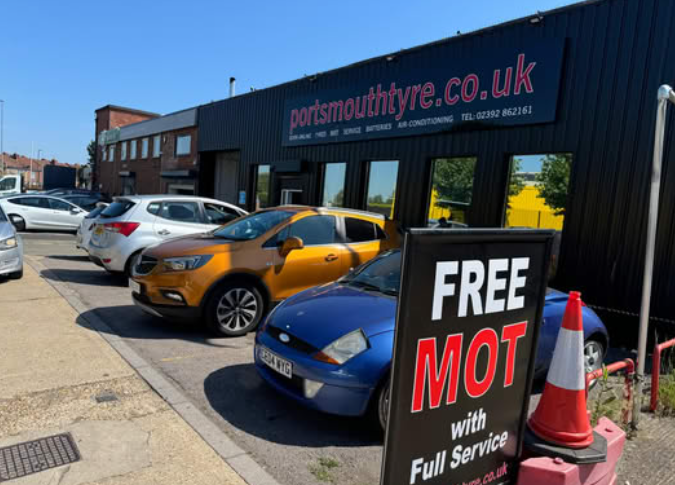
If you’re unsure which service your car needs, speak to a trusted local garage like Portsmouth Tyre. A professional can assess your vehicle based on mileage, condition, and usage.👍
❓ Frequently Asked Questions About Car Servicing
What is the difference between a Mini and a Full Service?
A Mini Service is a basic check that mainly includes an oil and filter change, along with a few visual inspections. A Full Service is much more comprehensive and includes detailed checks of brakes, suspension, engine components, filters, and overall vehicle safety.
👉 In simple terms:
Mini = Quick maintenance
Full = Complete yearly check
Is an Interim Service worth it?
Yes — especially if you drive regularly or cover high mileage.
An Interim Service helps identify wear and tear on important components like brakes, tyres, and suspension before they become serious issues. It’s a smart choice for keeping your car safe between annual services.
How often should I service my car?
Most vehicles should be serviced:
- Every 12 months (Full Service), or
- Every 10,000–12,000 miles
If you drive a lot, adding an Interim Service every 6 months is recommended.
What is included in a Major Service?
A Major Service includes everything in a Full Service, plus additional replacements such as:
- Spark plugs
- Fuel filter
- Air and cabin filters
- Brake fluid (if required)
It also involves deeper inspections and diagnostics to keep your car running at its best.
Do I need a Major Service every year?
No — a Major Service is typically recommended every 2 years or 20,000–25,000 miles.
In between, you should have a Full Service annually.
Is a car service the same as an MOT?
No — they are completely different.
- MOT = Legal requirement to check your car is safe to drive
- Service = Maintenance to keep your car running properly
👉 An MOT does not replace a service.
Can I skip a car service if my car feels fine?
This is a common mistake.
Even if your car feels fine, hidden issues can develop over time. Skipping servicing can lead to:
- Reduced performance
- Higher fuel consumption
- Expensive repairs later
Regular servicing helps prevent problems before they happen.
Which service is best for low mileage drivers?
If you don’t drive much:
- A Full Service once a year is still recommended
- You can use a Mini Service in between if needed
Even low-use cars need maintenance because oil and components degrade over time.
Does servicing improve fuel efficiency?
Yes.
A well-maintained car with clean oil, filters, and properly functioning components will run more efficiently, which can improve fuel economy.
How do I know which service my car needs?
It depends on:
- Your mileage
- Last service date
- Driving habits
Quick guide:
- Recently serviced → Mini
- High mileage → Interim
- Annual check → Full
- Every 2 years → Major
If you’re unsure, we can advise based on your vehicle’s condition.
PLEASE NOTE: INFORMATION CORRECT AT TIME OF PUBLISHING AND MAY CHANGE AT A LATER DATE.